
Find the Perfect Lift for Your Home
We analyzed the top rated models from Stiltz, Harmar, Staying Home Corp, and more to help you choose the right fit.
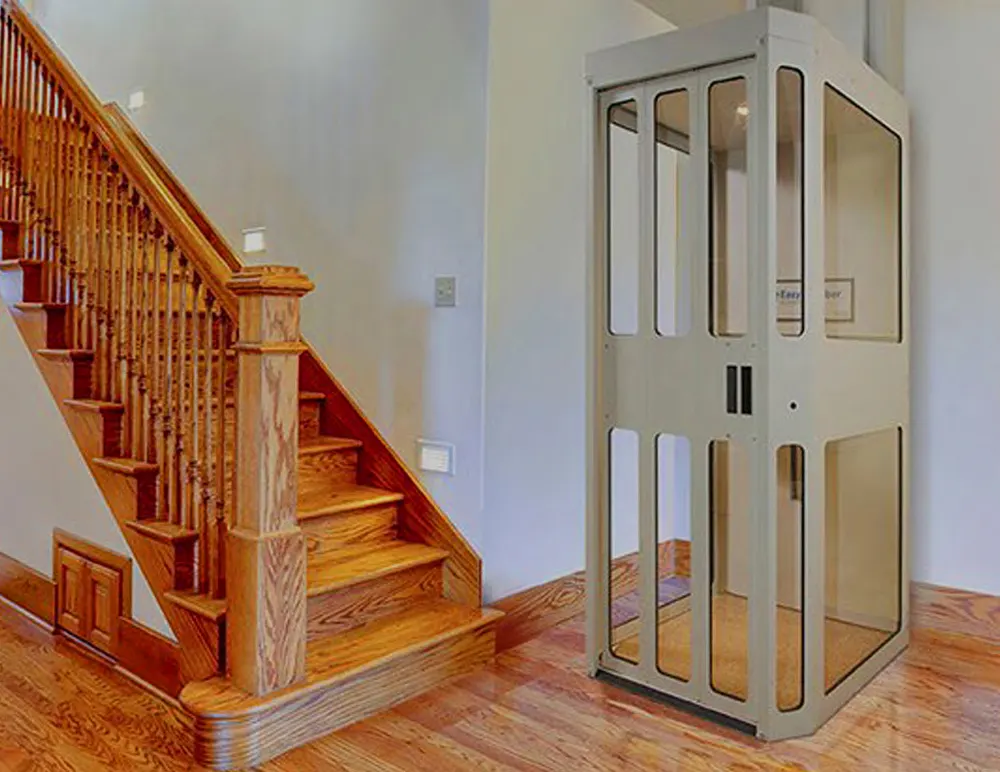
At-A-Glance Comparison
Compare the leading home elevator brands side by side
| Brand/Model | Type | Space Required | Best Feature | Price Tier |
|---|---|---|---|---|
Staying Home CorpEZ Series | Shaftless | Medium | Battery Powered (Works in outages) | $$ |
StiltzDuo/Trio | Shaftless | Very Small | Fits Anywhere (Dual Rail) | $$$ |
HarmarPollock | Through-Floor | Small | Fast Installation | $$ |
AmeriGlideVictorian | Traditional | Large (Requires Shaft) | Budget Friendly | $ |
PVEPneumatic | Air Driven | Small (Round) | 360° View / Cool Factor | $$$$ |
SavariaEclipse | Traditional | Large | Luxury Wood Finishes | $$$ |
Brand Deep Dives
Detailed reviews of each elevator brand to help you make an informed decision
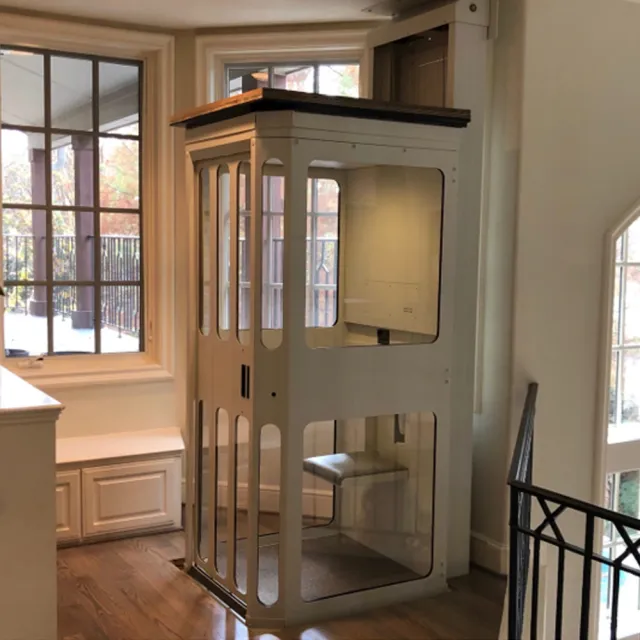
Staying Home Corp - EZ Series
The Safety Choice"The only fully battery-powered residential elevator. If the power goes out, you aren't stuck."
Best For: Homeowners in storm-prone areas or those who want maximum safety reliability.
Key Features:
- Runs 10+ trips on battery alone
- No machine room required
- Made in the USA
Pros
- Battery backup standard
- Quiet operation
- Simple installation
Cons
- Mid-range pricing
- Limited luxury finishes
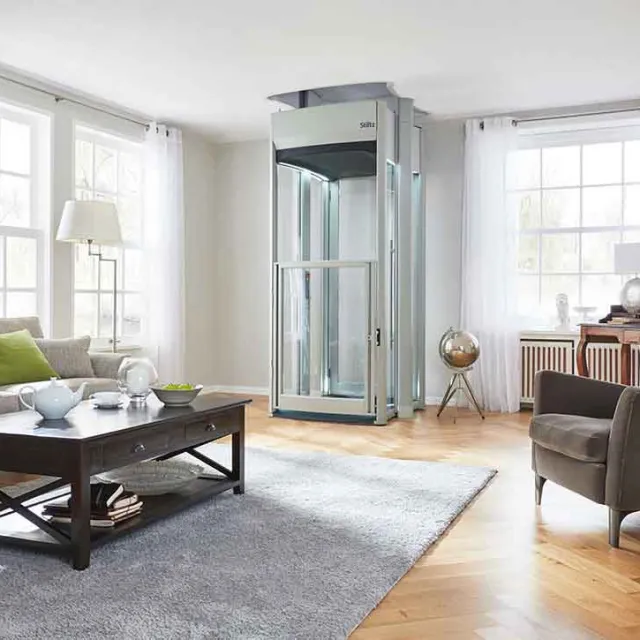
Stiltz - Duo & Trio
The Space Saver"A futuristic, shaftless elevator that travels on two discreet rails. It can be installed in the corner of a room, a cupboard, or the gap of a turning staircase."
Best For: Retrofitting into existing homes where space is tight.
Key Features:
- Smallest footprint on the market (under 7 sq ft)
- Quiet electric motor
- Modern, open-concept design
Pros
- Tiny footprint
- No shaft needed
- Sleek modern look
Cons
- Higher price point
- Weight capacity limits
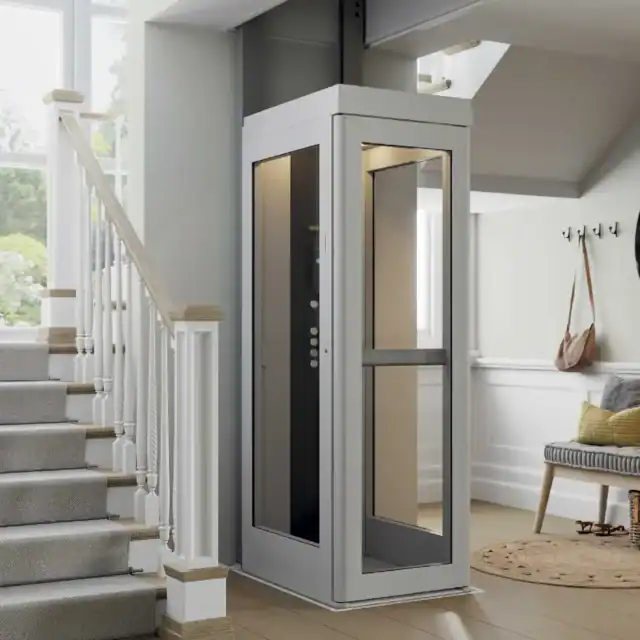
Harmar - Pollock
The Quick Install"Known for their lifts, Harmar's residential elevator is a shaftless through-floor model that minimizes construction mess."
Best For: Quick retrofits with minimal construction work.
Key Features:
- "Soft start/stop" technology for a smooth ride
- Integrated ramp for easy wheelchair access
- Fast installation timeline (often 1-2 days)
Pros
- Fast installation
- Smooth ride
- Wheelchair friendly
Cons
- Limited style options
- Through-floor design not for everyone
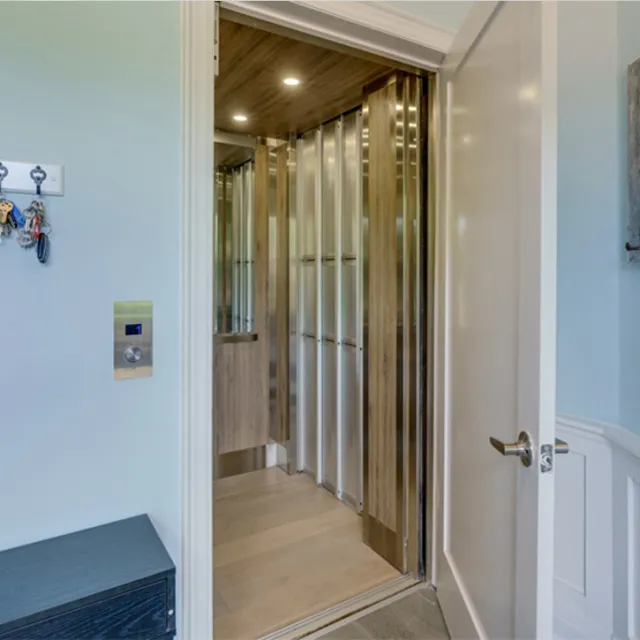
AmeriGlide - Victorian
The Budget Friendly"Traditional style elevators at a direct-to-consumer price point. A solid choice if you are already planning a renovation."
Best For: New construction or major renovations where building a shaft is possible.
Key Features:
- Classic "wood cab" aesthetic
- High weight capacity (up to 950 lbs)
- Lower hardware cost
Pros
- Most affordable option
- High capacity
- Classic look
Cons
- Requires shaft construction
- Longer install time
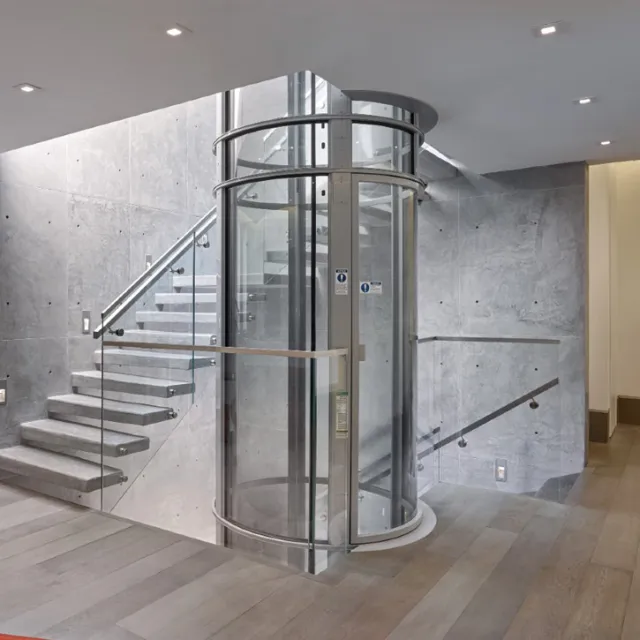
PVE - Air-Driven Elevators
The Showstopper"Powered by air. No cables, no pistons, just physics. This is the elevator you buy when you want guests to say 'Wow'."
Best For: Modern homes and open floor plans.
Key Features:
- 360-degree panoramic glass view
- Eco-friendly (uses gravity to descend)
- Round design fits in wrapping staircases
Pros
- Stunning visual appeal
- Energy efficient
- Fast install
Cons
- Premium pricing
- Limited weight capacity
Which Type Do I Need?
Understanding the three main elevator technologies
Shaftless (Through-Floor)
Travels through a hole in the floor. No hoistway needed.
Pros:
- Cheaper installation
- Takes less space
- Faster to install
Pneumatic (Air)
A vacuum tube sucks the cab up. Uses gravity to descend.
Pros:
- Beautiful 360° view
- Energy-efficient
- Fast installation
Traditional (Hydraulic/Cable)
Hidden in a closet or shaft behind a standard door.
Pros:
- Looks like a "normal" elevator
- Higher weight capacity
- Classic aesthetics
Frequently Asked Questions
How much does a home elevator cost in 2026?
Prices range from $18,000 for basic shaftless models to $50,000+ for luxury pneumatic or glass elevators. Installation complexity is the biggest cost factor.
Which elevator has the smallest footprint?
The Stiltz Duo and the PVE30 (Pneumatic) are the smallest, requiring less than 7 square feet of floor space.
Do I need a pit for a home elevator?
Not anymore. Modern models like Stiltz, Harmar, and Staying Home Corp are "pitless" and rest on the existing ground floor.
Still not sure which model fits your budget?
Get an estimate in less than 2 minutes.
Use Our Free Cost Calculator